
A small plumbing leak might not seem like a major concern at first. A drip under the kitchen sink, a damp spot near the toilet, or moisture around the water heater can be easy to overlook. Unfortunately, small leaks rarely stay small.
For Buffalo, NY, homeowners, hidden leaks can lead to damaged drywall, warped flooring, mold growth, and costly repairs. Western New York’s aging homes, seasonal temperature swings, and damp basements can put extra stress on plumbing systems, increasing the risk of leaks year-round.
Cellino Plumbing helps homeowners identify plumbing leaks that Buffalo, NY homes often hide, repair damaged plumbing, and prevent moisture damage before it spreads. Addressing a leak early can help protect your home and reduce repair costs down the road.
Why Small Leaks Matter
One reason homeowners delay repairs is that a small plumbing leak doesn’t always create immediate problems. Unlike a burst pipe, a slow leak may not cause obvious flooding or standing water. Instead, moisture gradually accumulates behind walls, beneath flooring, inside cabinets, or around structural materials.
Over time, that moisture damages wood, drywall, insulation, and other building materials. It also creates conditions where mold and mildew thrive. What starts as a simple repair can quickly become a much larger restoration project if the leak goes unnoticed.
Scheduling leak repair in Buffalo, NY, as soon as warning signs appear can help prevent water damage and keep repair costs manageable.
Common Small Leaks in Buffalo Homes
-
Leaks Under Kitchen Sinks
Kitchen sinks have multiple plumbing connections, including supply lines, drain pipes, shutoff valves, and garbage-disposal connections. A loose-fitting, damaged seal, or worn connection can cause water to drip into the cabinet below.
Because the leak often stays hidden behind cabinet doors, homeowners may not notice the problem until wood begins to swell, stains appear, or musty odors develop.
-
Leaks Under Bathroom Sinks
Bathroom sink leaks commonly occur around drain traps, faucet connections, and shutoff valves. Even a slow drip can cause significant damage over time, especially in enclosed vanity cabinets where moisture remains trapped.
-
Toilet Base and Supply Line Leaks
Toilets can leak from several locations, including the base, tank, supply line, or shutoff valve. Water around the base may indicate a failing wax ring or another plumbing issue that requires attention before damage reaches the flooring or subfloor.
-
Water Heater Leaks
Moisture around a water heater may come from loose fittings, pressure relief valves, condensation, corrosion, or tank deterioration. While some causes are minor, others may indicate that the unit needs repair or replacement.
If you notice rust, standing water, or recurring moisture near your water heater, it’s important to have the system inspected.
-
Basement Plumbing Leaks
Buffalo basements are exposed to seasonal moisture from rain, humidity, and snowmelt. Plumbing leaks may develop around exposed pipes, utility sinks, laundry connections, floor drains, or supply lines.
Because basements naturally experience higher moisture levels, plumbing leaks can sometimes go undetected for extended periods.
-
Hidden Leaks Behind Walls
Some of the most expensive plumbing problems start behind walls. Water can travel along pipes, studs, ceilings, and framing before visible signs appear.
By the time homeowners notice stained drywall, peeling paint, or bubbling surfaces, moisture may have already affected surrounding materials.
Why Hidden Leaks Can Be So Costly
Hidden leaks are particularly challenging because water doesn’t always stay near its source. A leak in one area of the home can create visible damage somewhere completely different.
Buffalo’s older housing stock can make these problems even more difficult to identify. Aging pipes, worn fittings, and years of seasonal expansion and contraction can create small openings that gradually worsen over time.
Even a small plumbing leak can continuously expose building materials to moisture. As water accumulates, it weakens framing, damages insulation, stains surfaces, and contributes to mold growth. The longer the leak remains untreated, the more extensive the repairs may become.
Warning Signs to Watch For
Many plumbing leaks that homeowners in Buffalo, NY, experience begin with subtle warning signs. Knowing what to look for can help you address problems before significant damage occurs.
Common signs include:
- Musty or damp odors
- Water stains on walls or ceilings
- Peeling paint or bubbling drywall
- Warped flooring or cabinets
- Mold or mildew growth
- Damp spots that repeatedly return
- Unexpected increases in water bills
You may also hear running water when fixtures aren’t being used or notice reduced water pressure throughout the home. These symptoms indicate a hidden plumbing issue that deserves professional attention.
Professional Leak Detection and Repair
Finding the true source of a leak isn’t always straightforward. Water can travel through walls, ceilings, insulation, and framing before becoming visible. What appears to be the problem area may not be where the leak actually started.
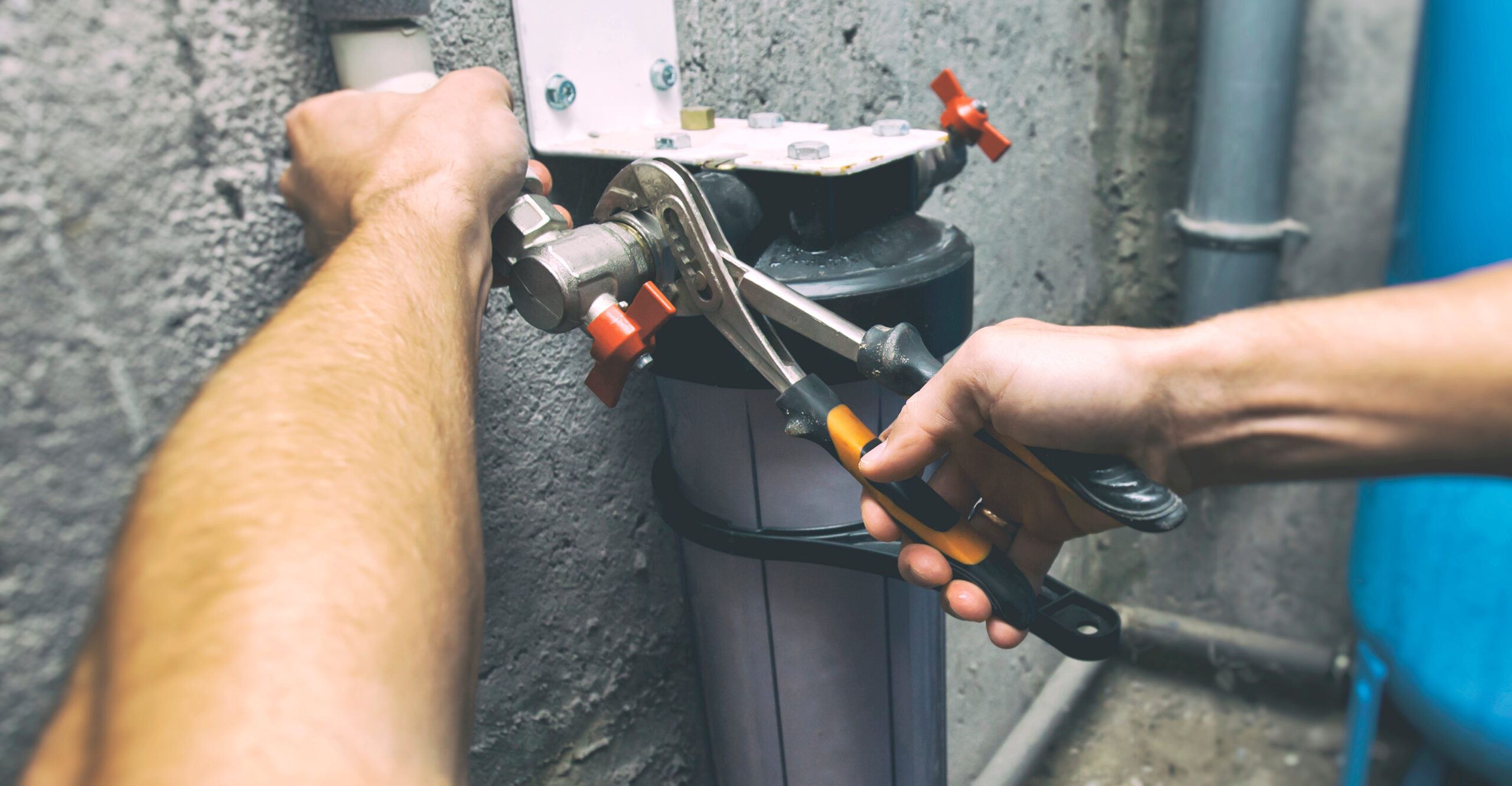
Cellino Plumbing helps homeowners identify hidden leaks before they cause more extensive damage. Experienced plumbers inspect fixtures, supply lines, drain lines, toilets, shutoff valves, water heaters, and basement plumbing systems to locate the source of moisture.
Once the issue has been identified, repairs may include replacing worn supply lines, repairing damaged pipes, fixing leaking fixtures, replacing deteriorated seals, or addressing water heater problems.
For homeowners looking for comprehensive plumbing solutions, learn more about residential plumbing services.
How Early Repairs Help Prevent Moisture Damage
The sooner a leak is addressed, the less opportunity water has to spread throughout the home. Early repairs help protect drywall, flooring, cabinets, insulation, and structural components from prolonged moisture exposure.
Addressing leaks early can also help prevent mold growth, preserve indoor air quality, and reduce the likelihood of expensive restoration work. In many cases, a simple repair completed today can prevent thousands of dollars in future damage.
Protect Your Home Before a Small Leak Becomes a Major Repair
Small plumbing leaks may seem harmless, but hidden moisture can cause serious damage over time. Leaks under sinks, around toilets, near water heaters, behind walls, and in basements can lead to mold growth, damaged building materials, and costly repairs if they’re left unaddressed. That’s why early leak detection is one of the best ways to protect your home and prevent moisture damage from spreading.
If you’ve noticed damp cabinets, water stains, rising water bills, toilet leaks, water heater moisture, or other signs of hidden plumbing problems, don’t wait for the issue to worsen. Cellino Plumbing can identify the source of the leak, recommend the right repair, and help protect your home from further damage. Contact us today, and we will provide prompt assistance when you need it most.