
Buffalo summer storms can move in fast, and when heavy rain hits, your basement is often the first place to show signs of trouble. A working sump pump helps protect your home by collecting groundwater before it reaches your basement floor and pumping it safely away from your foundation.
For many Erie County homeowners, sump pump season starts before the first major downpour. If your pump is older, making noise, running constantly, or failing to remove water from the pit, it may be time for sump pump repair in Buffalo, NY. In homes with repeated water problems or outdated equipment, a new sump pump installation may offer better protection against basement flooding.
This guide explains how sump pumps help protect Buffalo basements, the warning signs your system needs service, when to repair vs. replace your pump, and why backup protection matters during storm season.
Why Buffalo Basements Are Vulnerable During Heavy Rain
Basement flooding in Buffalo often happens when the soil around a home becomes saturated, and water has nowhere else to go. Instead of draining away naturally, water can press against your foundation, seep through cracks, enter through floor drains, or collect beneath the basement slab.
Buffalo’s summer storm season can bring sudden downpours, high humidity, and heavy groundwater pressure. July is often one of the wetter months, with Buffalo averaging around four inches of rain. That much rain can put serious pressure on sump pumps, drain tile systems, and foundation drainage.
Some homes are more vulnerable because of:
- Older foundations
- Aging underground drainage systems
- Poor yard grading
- Clay-heavy soil
- Low-lying property conditions
- Discharge lines that don’t move water far enough from the home
- Previous basement water problems
Neighborhoods such as South Buffalo, Cheektowaga, and other parts of Erie County with older housing or drainage challenges may be especially prone to basement flooding during heavy rain.
What Does a Sump Pump Do?
A sump pump sits inside a sump pit, usually located at the lowest point of a basement or crawl space. When water enters the pit, a float switch rises with the water level. Once the water reaches a certain point, the pump turns on and pushes water through a discharge line away from your foundation.
A complete sump pump system usually includes the following:
- A sump pit where water collects
- A pump motor that moves water out
- A float switch that activates the pump
- A discharge pipe that carries water outside
- A check valve that helps prevent water from flowing back into the pit
- An optional battery backup system for storms and power outages
When these parts work together, your sump pump helps keep your basement dry. When one part fails, your basement can become vulnerable fast.
Signs You Need Sump Pump Repair in Buffalo, NY
Sump pump problems often show up before the system fails. Catching these warning signs early can help you avoid a basement flooding emergency.
You may need sump pump repair if:
- Your sump pump doesn’t turn on when water rises
- The pump runs constantly without shutting off
- The pump cycles on and off too often
- You hear grinding, rattling, humming, or vibrating sounds
- Water stays in the sump pit after the pump runs
- The float switch appears stuck or blocked
- The discharge line is clogged, cracked, leaking, or frozen
- You notice musty odors or dampness near the sump pit
- The pump turns on, but little or no water leaves the pit
A sump pump that runs constantly may be undersized, stuck, or dealing with a drainage issue. A pump that hums but doesn’t move water may have a jammed impeller, a failing motor, or a blocked discharge line. These issues should be checked before the next storm brings more water into the system.
Sump Pump Repair vs. Replacement: Which Do You Need?
Not every sump pump issue requires a new unit. In some cases, a plumber can repair the problem and restore normal operation. In other cases, replacement is the safer choice, especially if the pump is older, undersized, or unreliable.
| Sump Pump Issue | Repair May Be Enough | Replacement May Be Better |
| Stuck float switch | Yes, if the pump motor works | Yes, if it keeps happening |
| Clogged discharge line | Yes, if the pump is reliable | Maybe, if the pump has been strained |
| Loud grinding noises | Maybe, depending on the cause | Yes, if the motor or impeller is failing |
| Pump won’t turn on | Maybe, if it’s an electrical or switch issue | Yes, if the motor has failed |
| Frequent cycling | Yes, if caused by a switch or check valve | Yes, if the pump is undersized |
| Old or unreliable pump | Temporary repair may help | Replacement is usually smarter |
| Basement has flooded before | Repair may reduce immediate risk | Upgrade or backup system may be best |
Why Battery Backup Sump Pumps Are Important in Erie County
Heavy rain and power outages often happen at the same time. That’s a problem because most primary sump pumps need electricity to run. If the power goes out during a storm, your pump may stop working when your basement needs it most.
A battery-operated backup pump provides extra protection when:
- The power goes out
- The primary pump fails
- Rainfall overwhelms the main pump
- The float switch on the main pump gets stuck
- You’re away from home during a storm
- Your basement is finished or used for storage
For many Buffalo homeowners, a backup sump pump isn’t just an upgrade. It’s practical protection against basement flooding during unpredictable summer storms.
How to Test Your Sump Pump Before Heavy Rain
You can do a few simple checks before a storm arrives. These steps don’t replace professional service, but they can help you spot obvious problems.
Before heavy rain, check the following:
- Look inside the sump pit and remove visible debris.
- Make sure the float switch can move freely.
- Pour a bucket of water into the pit to test whether the pump turns on.
- Confirm the pump removes water quickly.
- Listen for grinding, rattling, buzzing, or vibration.
- Check the discharge line outside.
- Make sure water drains away from your foundation.
- Look for leaks, cracks, or blockages in the discharge line.
If the pump doesn’t turn on, doesn’t remove water, or sounds unusual, schedule service before the next downpour.
When to Call an Emergency Plumber in Buffalo
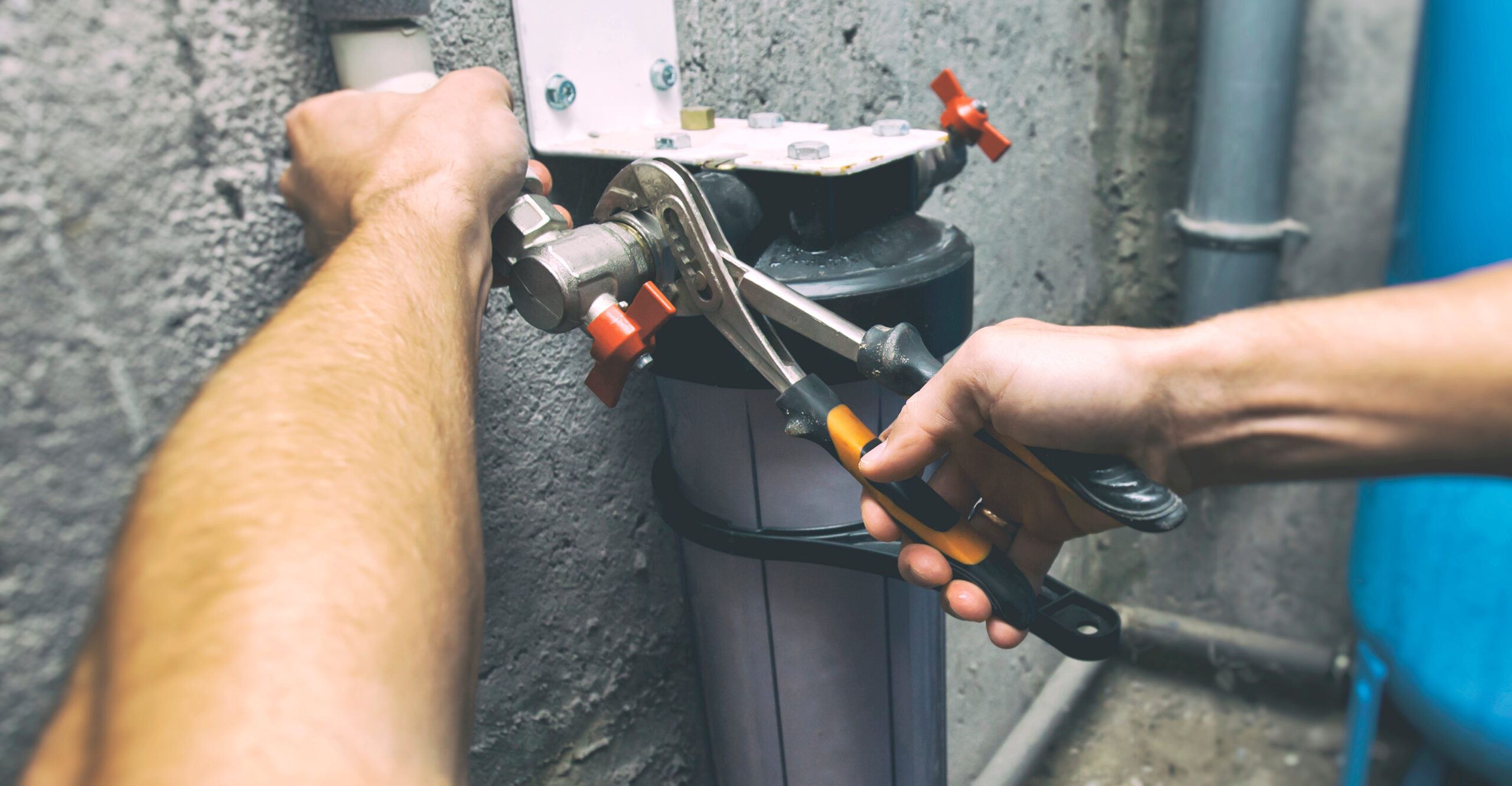
Call an emergency plumber in Buffalo if your sump pump fails during heavy rain, water is rising in your basement, or the pump is running but not removing water. These situations can lead to fast water damage and shouldn’t be ignored.
Call for urgent plumbing service if:
- Your sump pump won’t turn on
- Water is rising in your basement
- The pump is humming but not moving water
- You smell burning near the unit
- The breaker keeps tripping
- Water is near electrical outlets or appliances
- The discharge line is blocked or leaking
- Your basement has already started flooding
If there’s standing water near electrical equipment, avoid entering the area until it’s safe.
Protect Your Basement Before the Next Buffalo Storm
Buffalo summer storms can move in quickly, and your sump pump needs to be ready before the rain starts. If your pump is noisy, old, running constantly, or failing to remove water from the pit, don’t wait for a flooded basement to find out there’s a problem. Cellino Plumbing helps Buffalo and Erie County homeowners with sump pump repair, sump pump installation, backup systems, basement plumbing concerns, and storm-related plumbing issues. Whether your system needs a simple fix or a full replacement, scheduling service before severe weather can help protect your home, your belongings, and your peace of mind. If you’re concerned about basement flooding, sump pump performance, or other home plumbing issues, learn more about Cellino Plumbing’s residential plumbing services in Buffalo, NY.
FAQ Section