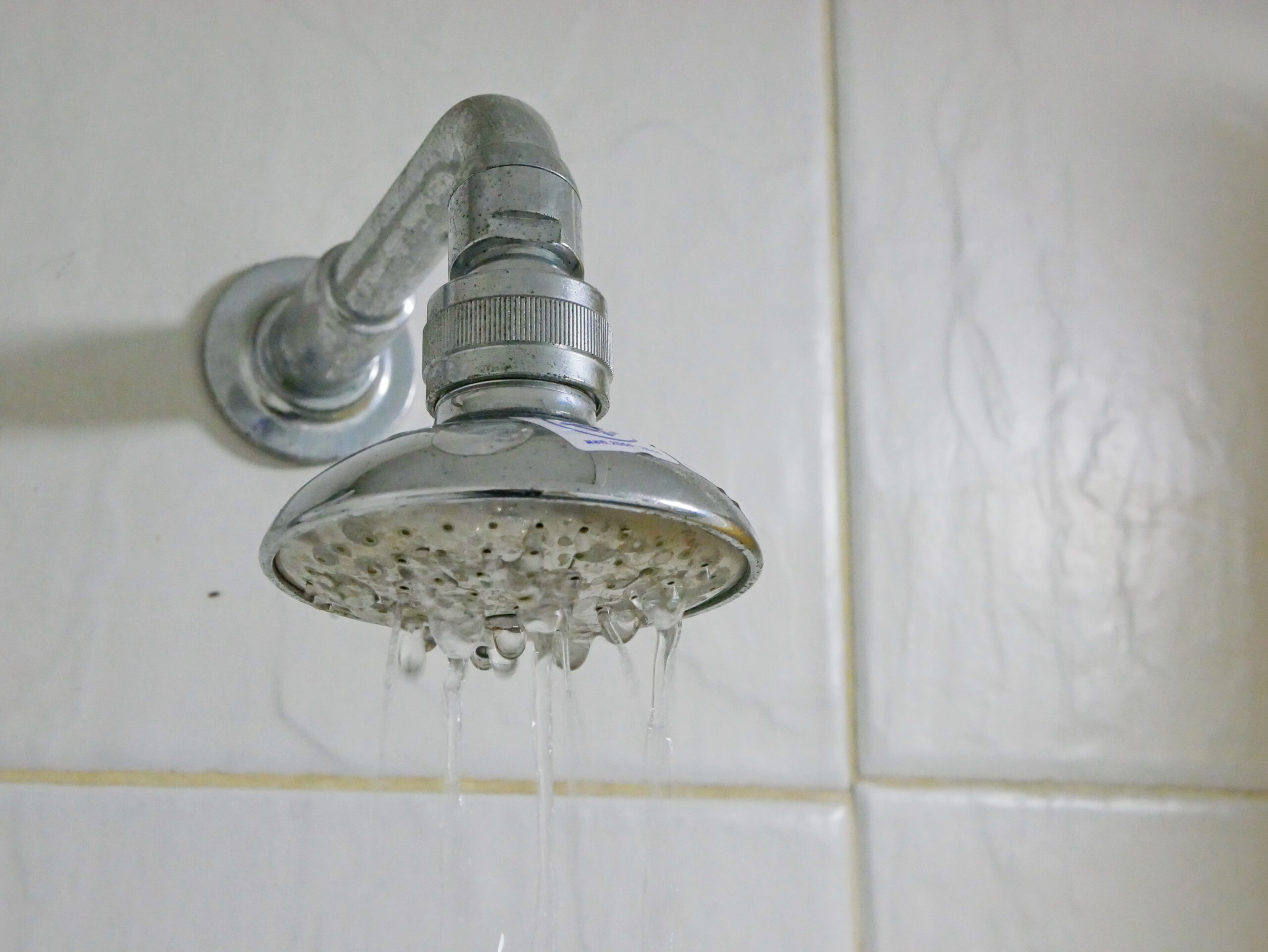
Low water pressure can make simple daily tasks frustrating. Showers feel weak, faucets take longer to fill sinks, and appliances may not perform as expected. If you’re dealing with low water pressure in Buffalo, NY, the issue may be something minor, like a clogged fixture, or a larger plumbing problem that needs professional attention.
At Cellino Plumbing, we help homeowners identify the source of water pressure problems and recommend the right fix. Whether the issue affects one faucet or your entire home, understanding the cause is the first step toward restoring reliable water flow.
Common Causes of Low Water Pressure
1. Clogged Fixtures and Mineral Buildup
One of the most common reasons for low water pressure is a clogged faucet aerator or showerhead. Over time, minerals, sediment, and debris can build up inside fixtures, restricting water flow.
This issue is often limited to one sink or shower. If only one fixture has weak pressure while the rest of your home works normally, buildup is likely the cause.
Cleaning the aerator may help restore flow. However, if pressure remains low after cleaning, the problem may be deeper within the plumbing system.
2. Hidden Plumbing Leaks
Leaks reduce water pressure because water escapes before it reaches your fixtures. Even a small hidden leak behind a wall, under flooring, or underground can affect performance throughout your home.
Watch for warning signs such as:
- Unexplained increases in your water bill
- Damp walls, ceilings, or flooring
- Musty odors
- Sounds of running water when fixtures are off
If you suspect a leak, professional inspection is the safest next step to avoid water damage and more expensive repairs.
3. Pipe Corrosion in Older Homes
Older Buffalo homes may have aging plumbing systems that contribute to poor water flow. Over time, pipe corrosion builds up inside older metal pipes, narrowing the space water can travel through.
Signs of corrosion include:
- Steadily worsening low water pressure
- Rust-colored water
- Metallic-tasting water
- Recurring leaks
Unlike a clogged fixture, corroded pipes usually require professional evaluation. If aging pipes are causing your water pressure problems, repair or replacement may be needed.
4. Pressure Regulator Issues
Some homes have a pressure regulator that controls how much water pressure enters the home from the municipal supply. If this component fails, pressure may suddenly drop throughout the house.
Common signs include:
- Weak flow at multiple fixtures
- Pressure fluctuations throughout the day
- Sudden whole-house pressure loss
A licensed plumber should handle pressure regulator problems to avoid causing further plumbing issues.
5. Municipal Water Supply Problems
Sometimes, the issue is outside your home. Water main maintenance, hydrant flushing, or neighborhood utility work can temporarily reduce water pressure.
If nearby neighbors are experiencing the same problem, the municipal supply could be the source. But if the issue is limited to your home, it’s most likely related to your plumbing system.
How to Tell if the Problem Is Minor or System-Wide
The location of the problem helps identify the likely cause.
If low pressure affects only one faucet or shower, the issue may be isolated to that fixture.
If pressure drops throughout the home, the cause may involve:
- Hidden leaks
- Pipe corrosion
- Pressure regulator failure
- Larger plumbing system restrictions
Hot water-only pressure problems may point to water heater sediment buildup or issues in the hot water lines.
This is where professional diagnosis makes a difference. Cellino Plumbing can inspect whether the issue is fixture-specific or part of a larger system problem.
For broader home plumbing concerns, explore our residential plumbing services.
Safe Troubleshooting Steps Homeowners Can Try
Before scheduling service, there are a few simple checks you can make.
- Check multiple fixtures. See whether the issue affects one area or the entire home.
- Clean faucet aerator. Remove visible debris or mineral buildup if accessible.
- Compare hot and cold water pressure. This helps narrow down whether the issue may involve the water heater.
- Check recent plumbing work. A partially closed shutoff valve after maintenance can reduce flow.
- Ask nearby neighbors. If others are experiencing the same issue, municipal supply problems may be involved.
Avoid forcing old valves or attempting advanced plumbing repairs yourself, especially if leaks or damaged components may be involved.
When to Call Cellino Plumbing for Low Water Pressure
Some low-water-pressure issues have simple fixes, but others indicate underlying plumbing problems that require professional attention. If low pressure affects your whole home, appears suddenly, keeps getting worse, or comes with rusty water, hidden leak concerns, or weak flow even after cleaning fixtures, it’s time to bring in an expert.
Buffalo homes often present unique plumbing challenges, especially older properties with aging pipes and worn components. Cellino Plumbing understands how local conditions can contribute to persistent water pressure problems and can quickly determine whether the issue involves leaks, clogged fixtures, failing pressure regulators, or pipe corrosion.
If you need reliable plumbing repair in Buffalo, NY, early diagnosis can help prevent more extensive and costly damage.
Restore Reliable Water Pressure with Cellino Plumbing
Low water pressure shouldn’t become part of your daily routine. Whether the issue is a simple blockage or a larger plumbing concern, the right diagnosis can restore consistent water flow and help protect your home.
If you’re dealing with low water pressure in Buffalo, NY, Cellino Plumbing is here to help. Contact our team today to schedule a professional inspection and repair.