
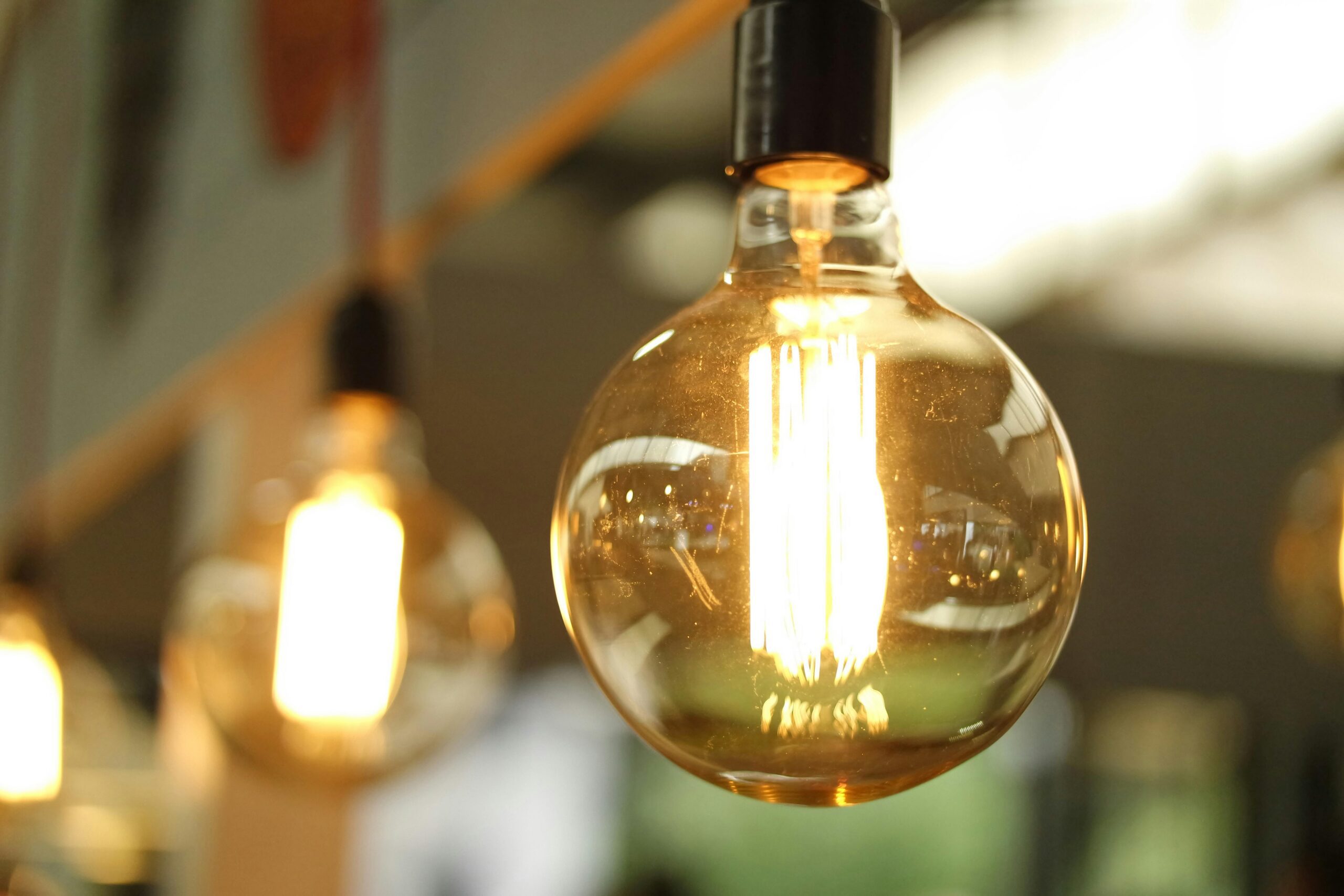
A flickering light might seem like a minor annoyance, but it’s often your home’s way of signaling a deeper issue within your electrical system. From loose wiring and overloaded circuits to voltage fluctuations, these issues can escalate quickly and, if left unchecked, pose serious fire hazards. If you’ve noticed lights flickering in your Buffalo, Amherst, or Cheektowaga home, it’s time to take a closer look. This guide from Cellino Plumbing, Heating, Cooling & Electric walks you through essential electrical troubleshooting steps, helping you identify common causes, know what’s safe to check yourself, and recognize when it’s time to call a licensed electrician for professional help. For decades, Cellino Plumbing, Heating, Cooling & Electric has helped Buffalo homeowners protect their homes with safe, code-compliant electrical solutions.
What Causes Lights to Flicker?
Flickering lights aren’t just a nuisance, they’re also often a sign that your home needs electrical troubleshooting. Understanding the most common causes of flickering lights can help you spot problems early and prevent costly or dangerous electrical failures.
1. Loose Electrical Connections
One of the most common reasons lights flicker is a loose connection somewhere in the circuit. When wires aren’t secured properly, they can create small gaps that cause arcing, the tiny sparks that jump between wires. This not only makes lights flicker but can also lead to overheating and potential fire hazards if ignored.
2. Overloaded Circuits
If your lights dim or flicker when you turn on high-powered appliances like a vacuum, space heater, or microwave, your circuit may be overloaded. This happens when your electrical system struggles to deliver enough power, signaling that your home’s wiring may need professional attention.
3. Faulty Light Fixtures or Switches
Sometimes, the issue is localized to a single light fixture or switch. Worn-out sockets, aging bulbs, or faulty dimmer switches can cause inconsistent contact and result in intermittent flickering. Replacing these components or having them inspected can resolve the issue quickly.
4. Voltage Fluctuations
When lights frequently dim or suddenly brighten, it could mean your home is experiencing voltage fluctuations. These power irregularities can damage electronics and indicate serious underlying issues that require expert electrical troubleshooting from a licensed Buffalo electrician.
Keep your home safe and efficient. Schedule a licensed electrician today.
The Hidden Dangers Behind Flickering Lights
A flickering light might seem like a small annoyance but in reality, it can signal serious power fluctuation problems and underlying electrical risks that shouldn’t be ignored. What starts as a minor flicker could quickly turn into a major safety concern.
- Fire Risk: When loose wiring or poor connections cause electrical arcing, it generates extreme heat that can ignite surrounding materials. Even a small arc inside your walls can start a fire without warning.
- Shock Hazard: Damaged insulation or exposed wires increase the risk of electrical shock. If you ever notice sparks or a tingling sensation near outlets or switches, it’s time for immediate electrical troubleshooting.
- Appliance & System Damage: Frequent power fluctuation problems can wreak havoc on sensitive electronics and your HVAC system. Unstable voltage causes components to wear out faster, leading to costly repairs or replacements.
That’s why it’s essential to schedule professional electrical troubleshooting, especially if you live in an older home in Buffalo, Amherst, or Orchard Park. Expert electricians can pinpoint the root cause before it becomes a dangerous or expensive issue.
DIY Checks vs. Professional Electrical Repairs
When it comes to flickering lights, there’s a safe balance between simple DIY checks and calling in the experts. Knowing what you can safely inspect and when to get professional help can prevent small issues from turning into serious hazards.
Simple Electrical Checks Homeowners Can Do Safely
Before calling a licensed electrician, you can try a few basic steps:
- Tighten bulbs: Ensure bulbs are seated properly in their sockets.
- Replace the bulb: Some LEDs and smart bulbs are sensitive to power fluctuations, and a new bulb may resolve the flicker.
- Observe patterns: Note when flickering occurs. Be it only with certain appliances, at specific times, or across multiple rooms.
If flickering persists or worsens, it’s time to stop the DIY approach and call a licensed professional for some immediate lighting repair. Electrical problems are not something to “wait and see” about.
What a Professional Electrical Inspection Covers
For persistent or widespread issues, a professional electrical inspection is the safest solution. Our experienced Buffalo electricians at Cellino Plumbing, Heating, Cooling & Electric use advanced diagnostic tools to identify the root cause efficiently and safely.
Key diagnostic methods include:
- Voltage Testing: Detects irregular power supply or sudden drops.
- Circuit Load Analysis: Reveals overloaded or unevenly distributed circuits.
- Connection Inspection: Checks that all terminals and wires are secure.
- Electrical Panel Evaluation: Ensures your system can safely handle modern energy demands.
- Wire Condition Assessment: Identifies deteriorating or outdated wiring that may fail.
These professional techniques go far beyond a simple bulb change. It provides peace of mind, saving you stress, and potentially avoiding thousands in future repairs.
How to Safely Troubleshoot Electrical Problems
Flickering lights can be more than just annoying since they can be a sign that your home may need home electrical repair. While some simple checks are safe to do yourself, following proper electrical safety tips is essential to avoid injury or damage.
Electrical Safety Checks You Can Perform
If you’re comfortable handling minor tasks, you can start with these precautions:
- Turn off the affected circuit before inspecting any fixture.
- Avoid touching exposed wires or terminals.
- Check bulbs and fixtures to see if replacing them resolves the flicker.
Signs It’s Time to Call a Licensed Electrician
Never attempt to open the breaker panel or junction boxes yourself. If flickering persists, affects multiple circuits, or is accompanied by burning smells, sparks, or popping sounds, it’s time to schedule a professional home electrical repair.
Following these electrical safety tips ensures you address minor issues safely and prevents small problems from turning into costly or dangerous emergencies.
Preventive Maintenance to Stop Flickering Before It Starts
The most effective way to avoid flickering lights and other electrical issues is proactive maintenance. Following a few key steps can keep your home safe, efficient, and free from unexpected home electrical repair needs.
- Regular Professional Inspections. Schedule routine electrical inspections with licensed Buffalo electricians to catch potential problems before they become serious.
- Upgrade Outdated Systems. Older panels, wiring, and circuit components may not handle modern energy demands. Upgrading ensures your home can safely support today’s appliances and electronics.
- Evenly Distribute Power Loads. Prevent overloading by spreading electrical demands across multiple circuits. This reduces strain on your system and lowers the risk of flickering lights or circuit trips.
Routine maintenance following these electrical safety tips helps protect your home, extends the life of your electrical system, and provides peace of mind year-round.
FAQs
Schedule Expert Electrical Service with Cellino
If your lights flicker, dim, or behave unpredictably, don’t wait until it becomes dangerous. Trust Cellino Plumbing, Heating, Cooling & Electric for expert electrical troubleshooting in Buffalo, Amherst, Williamsville, and surrounding areas. Our licensed electricians use advanced diagnostic tools and proven expertise to restore your home’s electrical safety and efficiency.
Call today at (716) 302-4488 or schedule online: https://cellinoplumbing.com to get reliable, professional service from the team Buffalo homeowners have trusted for decades.