
Every winter, the same thing happens somewhere in Buffalo. The wind comes off the lake, the temperature drops overnight, and someone wakes up to a faucet that won’t run. A few hours later, when that pipe thaws, they find out it split.
Frozen pipes in Buffalo, NY aren’t bad luck. They happen in predictable spots, for predictable reasons, and most of them can be prevented with an afternoon of work in the fall. This guide goes through your home one room at a time so you know where to look and what to do before the first hard freeze.
Why Do Pipes Freeze in Buffalo Homes?
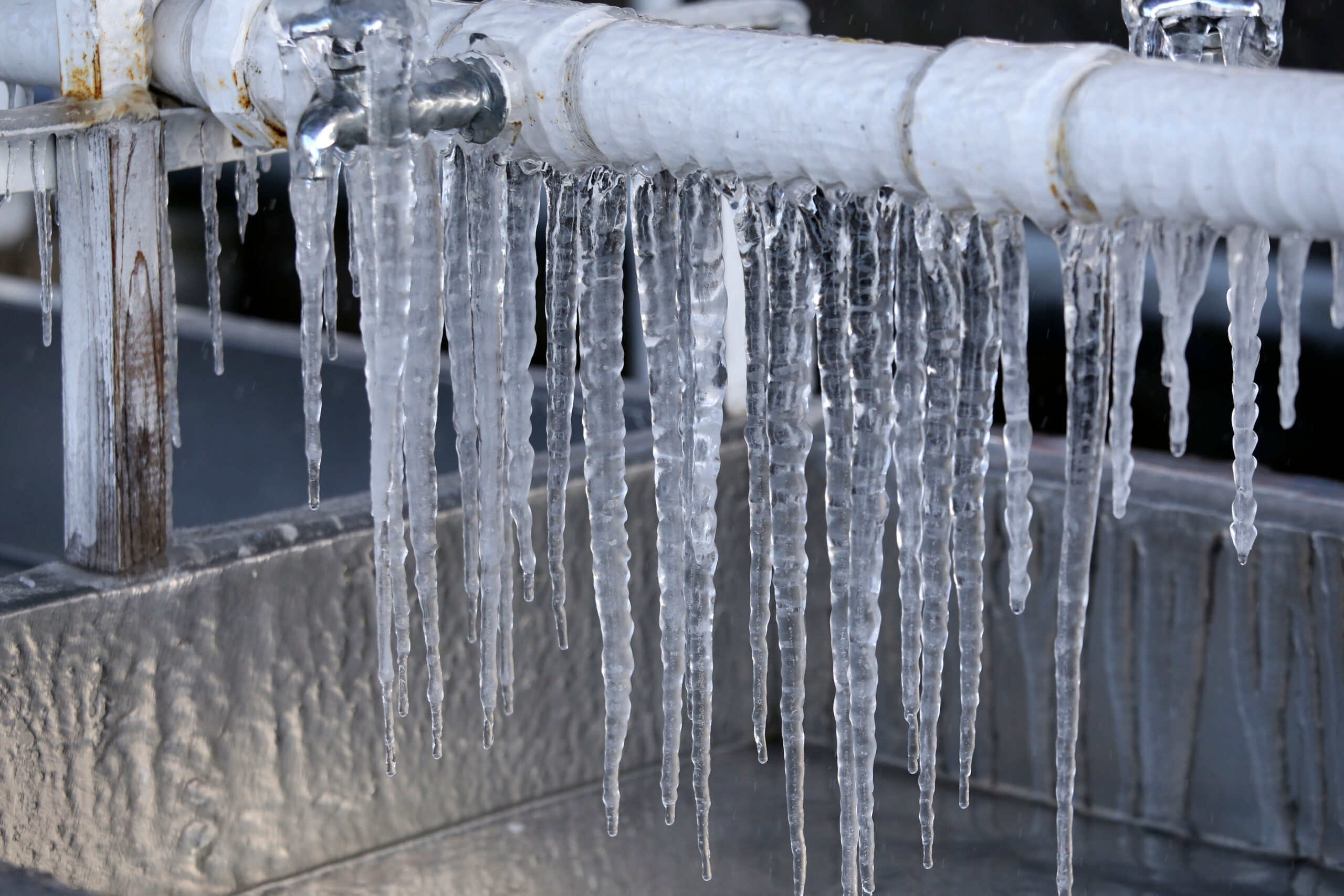
Pipes freeze when the water inside them sits still in a space that drops below freezing, which usually means an unheated area or an exterior wall with little insulation. As water turns to ice, it expands, pressure builds between the ice and the closed faucet, and the pipe gives out at its weakest point.
Older homes are more exposed to this. In neighborhoods like Allentown and Black Rock, where a lot of the housing dates back a century or more, it’s common to find plumbing routed through outside walls, stone or block basements with drafty sills, and crawlspaces that were never insulated. Some of those homes still have original galvanized steel lines, which are often corroded and less forgiving under pressure. If that sounds like your house, the checks below matter even more.
A Room-by-Room Guide to Prevent Frozen Pipes in Western NY
The quickest way to prevent frozen pipes in Western NY is to find every place a water line runs through cold air and either warm the space, insulate the pipe, or drain the line. Here’s where to look:
| Area | Where the risk is | What to do |
|---|---|---|
| Basement | Pipes along outside walls and near the sill | Insulate exposed lines and seal drafts where the foundation meets the framing |
| Kitchen | Sink supply lines on an exterior wall | Open cabinet doors on very cold nights so warm air reaches the pipes |
| Bathrooms | Vanity lines on outside walls, rooms over a garage | Keep doors open and the room heated, even if nobody’s using it |
| Garage | Any water line or utility sink | Keep the overhead door closed and insulate the pipes |
| Attic and crawlspace | Lines running through unheated space | Wrap pipes in foam sleeves and close up gaps that let wind in |
| Outside | Hose bibs and sprinkler lines | Disconnect hoses, shut off the inside valve, and drain the line |
Basement and Crawlspace
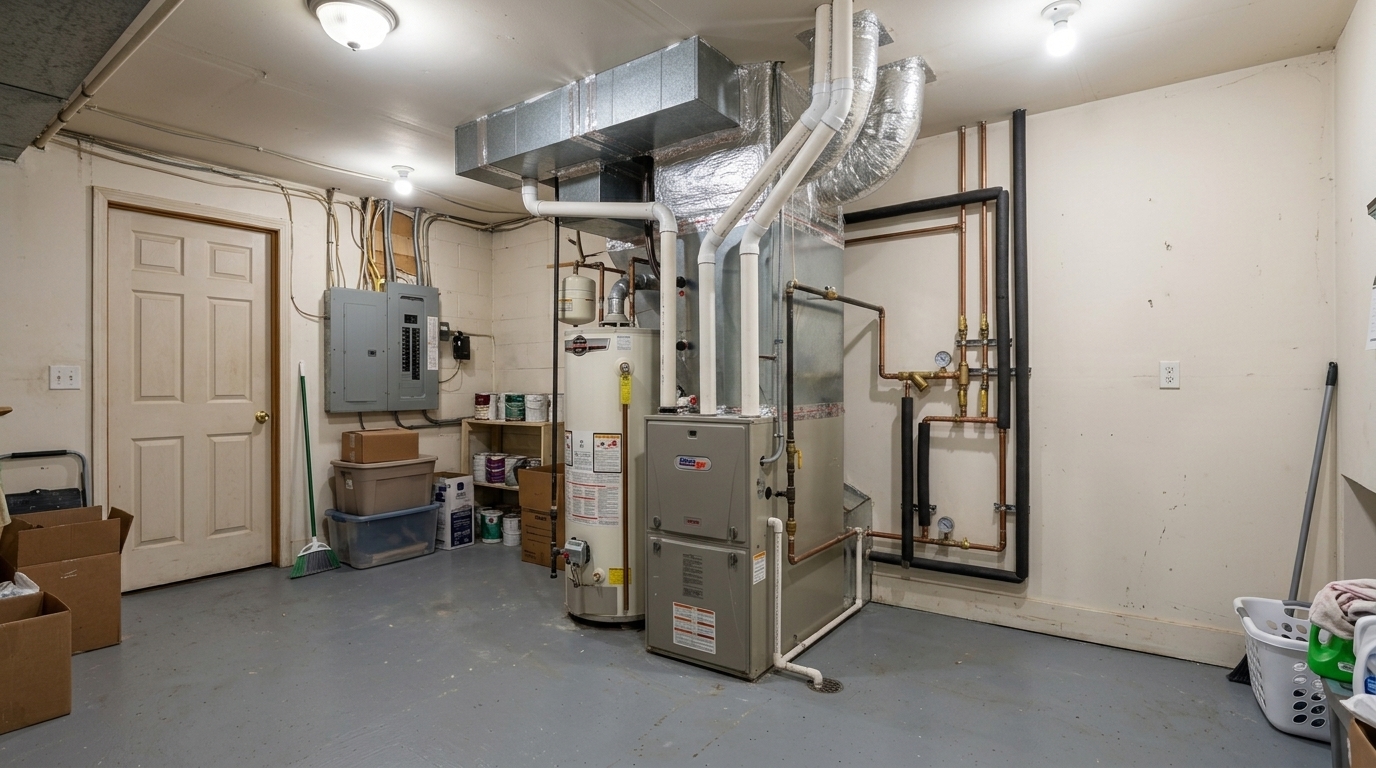
Start here, because this is where most of your plumbing lives. Walk the perimeter and look for any pipe within a foot or so of an outside wall. Foam pipe sleeves from the hardware store are cheap and take minutes to install. While you’re down there, feel for cold air around the sill, basement windows, and anywhere a pipe or cable passes through the wall. A small draft blowing on one spot of a pipe is enough to freeze it.
Kitchen and Bathrooms
Sinks on outside walls are the usual trouble spot upstairs. The cabinet traps cold air around the supply lines, so opening the doors on the coldest nights makes a real difference. Don’t close the heat registers in a spare bathroom to save money, either. That room still has water in its walls.
Garage, Attic, and Outdoor Faucets
Outdoor faucets cause a lot of winter leaks, and the fix is simple. Take the hose off, close the shutoff valve inside the house, then open the outside faucet and let it drain. Leaving a hose attached traps water in the line right where it’s coldest. In the garage and attic, insulate what you can reach, and ask a plumber about anything you can’t.
If you find a line that’s badly corroded or routed somewhere you can’t protect, our residential plumbing team can inspect it and talk through options like rerouting or repiping.
What If a Pipe Freezes Anyway?
If a faucet slows to a trickle or stops during a cold stretch, treat it as a frozen pipe. Find your main water shutoff and make sure you can turn it, because a frozen pipe often doesn’t leak until it thaws. If you see water, a bulge, or a split, shut the main off right away.
From there, it’s a job for a plumber. Cellino handles burst pipe repair in Buffalo and offers emergency service around the clock, so you aren’t waiting until morning with the water off.
Want Your Pipes Checked Before the First Freeze?
A frozen or burst pipe can quickly turn a cold winter night into an expensive plumbing emergency. Taking a few precautions now can help you avoid water damage, unexpected repairs, and the stress of dealing with a plumbing problem when temperatures drop.
At Cellino Plumbing, Heating, Cooling & Electric, our experienced plumbers can assess your home’s plumbing system, identify pipes vulnerable to freezing, and recommend practical solutions to keep your water flowing throughout winter. You’ll receive clear recommendations and upfront pricing before any work begins. And if an emergency strikes, our team is available 24/7 to help.
If repairs or pipe replacements are needed, our flexible financing options for eligible customers can help make the cost easier to manage, so you can address potential problems before they become costly emergencies.
Don’t wait until a frozen pipe leaves you without water. Call 716-302-4488 or book now to schedule a plumbing inspection in Buffalo, NY, and give your home the protection it needs this winter.